
Comfort in a home does not always track perfectly with a single humidity number. It is common for a space to feel damp even when a thermostat or hygrometer says humidity is “normal.”
Humidity readings are helpful, but they do not describe everything happening in a room. Temperature, surfaces, airflow, and how moisture behaves in specific areas of the house all influence how the air actually feels.
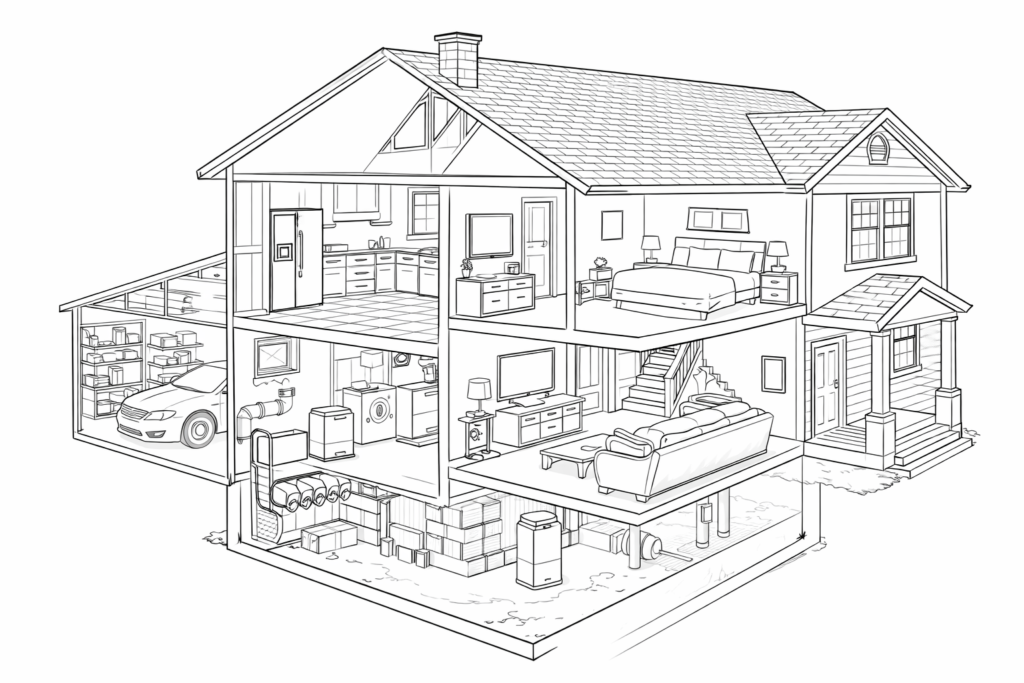
What “Normal” Humidity Really Means
Most homes aim for indoor humidity somewhere in a broad middle range. That range is a guideline, not a promise of comfort.
Humidity readings are snapshots. How a room feels is influenced by temperature, air movement, surfaces, and how moisture behaves in that specific space.
If you are unsure whether humidity is actually high in your home, it helps to start by understanding what causes high humidity in a house.
Cool Surfaces Can Change How a Room Feels
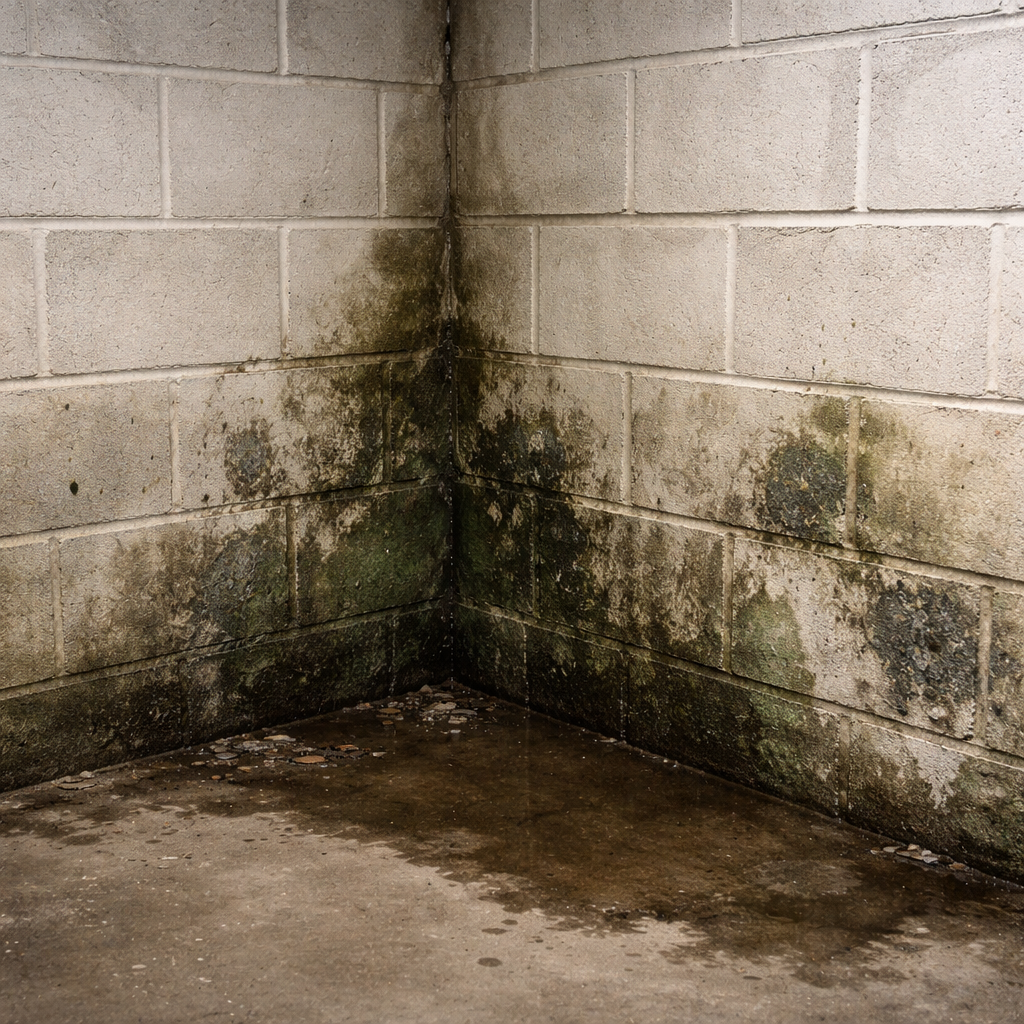
Even at normal humidity, cool walls, floors, or windows can make air feel clammy.
When warm indoor air touches cooler surfaces, moisture in the air slows down or lightly gathers at those surfaces. You may not see visible condensation, but your body still senses the change.
This is common in:
- Basements
- North-facing rooms
- Rooms over garages
- Homes with uneven insulation
Cool materials can create small micro-climates where the air feels damp even though overall humidity levels look normal.
Air That Does Not Move Feels Damp
Still air often feels heavier and wetter than moving air.
Rooms with limited circulation can feel damp even when the measured humidity matches the rest of the house. Corners, closed-off rooms, and lower levels are frequent examples.
A humidity sensor placed in another room may not reflect how that space actually feels.
Moisture May Be Localized, Not Whole-House
Humidity is not always evenly distributed.
One room can feel damp while another feels fine. Common contributors include:
- Frequently used bathrooms
- Laundry areas
- Basements or crawlspace-adjacent rooms
- Rooms with exterior walls and limited airflow
A single “normal” reading does not always describe conditions everywhere in the house.
If dampness appears regularly, it can help to step back and evaluate too much moisture in your home to understand where the humidity may actually be coming from.
Temperature Swings Affect Perception
Humidity and temperature work together.
Air that cools down without losing moisture can suddenly feel damp. This often happens overnight, during spring and fall, or in rooms that cool faster than the rest of the house.
The humidity number may stay the same while comfort changes.
Materials in the Home Can Hold Moisture
Some building materials and furnishings absorb and release moisture slowly.
Concrete, masonry, carpets, fabrics, and even stored items can contribute to a lingering damp feel, especially in lower or cooler spaces.
This does not always indicate a problem. It reflects how moisture interacts with the home over time.
Sensors Are Helpful, but Not Perfect
Consumer humidity sensors are useful guides, but they are not precision instruments.
Readings can vary depending on:
- Sensor location
- Airflow around the device
- Proximity to windows or exterior walls
- Calibration differences between devices
Because of this, the number can appear normal while the space still feels uncomfortable.
A Quick Reality Check
A home can feel damp without being dangerously humid.
Comfort depends on how moisture, temperature, surfaces, and air movement interact in that specific space, not just on a single percentage reading.
When This Feeling Is Most Common
Homeowners often notice this issue:
- In basements or lower levels
- During spring and fall
- After rainy periods
- In rooms with limited airflow
- Overnight or early morning
These patterns are common and usually reflect how homes respond to changing environmental conditions.
The Bottom Line
Feeling damp does not always mean humidity is too high or that something is wrong.
In many homes, it reflects how air movement, temperature, and building materials interact with moisture. Understanding that comfort involves more than one number helps explain why a house can feel damp even when humidity readings appear normal.
If damp conditions persist or start affecting comfort regularly, the next step is deciding whether you need a dehumidifier for your home.