
Dry air can be just as uncomfortable as damp air, especially during winter when heating systems run for long stretches.
A humidifier can help when the real problem is low indoor humidity. It is less useful when the discomfort is coming from dust, poor filtration, high heat, air leaks, medication side effects, illness, or another non-humidity issue.
The practical test is simple: measure the indoor humidity first, look for repeated dry-air patterns, then decide whether you need one room treated, several rooms treated, or a whole-house solution.
Dry-air decision: A humidifier makes sense when indoor humidity is consistently low and the dry space is clear. It does not make sense to add moisture blindly, especially if windows already sweat, rooms feel damp, or you have not measured the actual humidity.
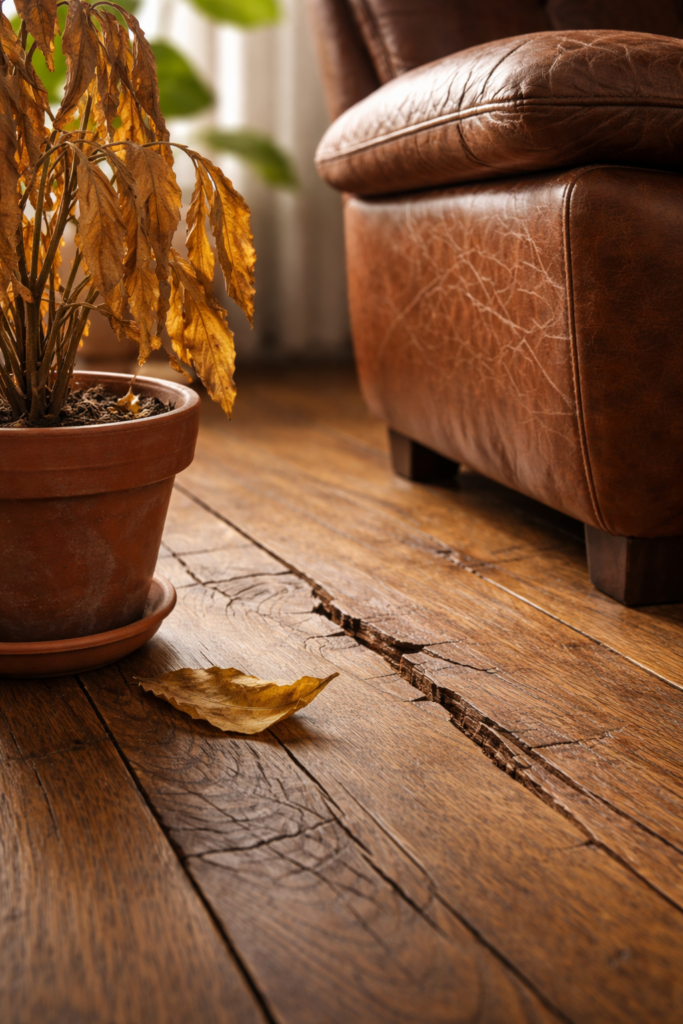
Common signs your home may need a humidifier
Before adding moisture, check RH with a separate meter in the room that feels dry. If windows or other cold surfaces are collecting condensation, increasing humidifier output may worsen that problem even when the air feels uncomfortable. Humidifier ownership also includes water selection and regular cleaning under the device instructions. Technical references: EPA indoor humidity guidance EPA humidifier care.
Dry indoor air is most noticeable during colder months, particularly in homes with forced-air heating or long winter heating cycles.
One symptom by itself does not prove the home needs a humidifier. The pattern matters. Low humidity is more likely when several dry-air clues show up together and repeat during heating season.
Dry-air clues to check:
- Frequent static shocks
- Air that feels sharp, dusty, or uncomfortable to breathe
- Dry-feeling skin, lips, throat, or nose
- Wood floors, trim, doors, or furniture shrinking or cracking
- Houseplants or wood items drying faster than normal
- Humidity readings that stay low for days, not just one moment
These signs can point toward dry indoor air, but they can also overlap with other issues. For personal symptoms, do not treat humidity as a medical diagnosis. Use humidity readings to understand the home environment, and use medical guidance for health concerns.
If winter dryness is the larger pattern, see why your house is dry in winter. If you want the broader cause list, use what causes dry air in a house.
Measure before adding moisture
The most common humidifier mistake is buying equipment because the house feels uncomfortable without confirming that humidity is actually low.
A basic humidity meter can prevent that mistake. Check the rooms that feel dry, not just a hallway or thermostat location. Take readings at different times of day and during different weather conditions.
Measurement rule: Do not decide from one reading. Look for a repeated low-humidity pattern in the rooms that actually feel dry.
| What you find | What it usually means | Next step |
|---|---|---|
| One low reading after a cold night | Possible short-term dry-air event | Measure again before buying equipment. |
| Low readings repeat for days | Likely dry indoor air pattern | Consider humidification for the affected area. |
| Only one bedroom is dry | Local room problem | Consider a room humidifier or airflow check. |
| Most rooms are dry | Whole-home dry-air pattern | Compare larger portable units and whole-house options. |
| Windows already collect moisture | Adding humidity may create problems | Do not add moisture until the cause is understood. |
| Humidity is normal but the room feels bad | May not be a humidity problem | Check heat, airflow, filtration, dust, and ventilation. |
For the measurement process, start with how to measure humidity in your home.
When a humidifier makes sense
A humidifier is worth considering when low humidity is measured and the dry space is clear.
It works best when dryness is caused by normal seasonal conditions, heating season, or a room that consistently runs drier than the rest of the home.
A humidifier is a good fit when:
- Indoor humidity readings are consistently low.
- The same rooms feel dry repeatedly.
- Dryness returns during heating season.
- Static, wood movement, or dry-feeling air show up with low readings.
- The home does not already have condensation or damp-room problems.
- You are willing to clean and maintain the humidifier properly.
Humidification improves comfort when the issue is dry air. It does not fix insulation problems, air leaks, dust, poor filtration, or medical issues.
When a humidifier does not help
Adding moisture can create new problems if dry air is not the real issue. It can also make winter window condensation worse if the home is already near the moisture limit for its windows and exterior walls.
Do not add humidity blindly. If windows are already sweating, walls feel damp, closets smell musty, or rooms already have high humidity readings, adding a humidifier may make the problem worse.
- A humidifier will not remove dust or replace filtration.
- It will not fix air leaks or poor insulation.
- It will not solve rooms that are too hot, stale, or poorly ventilated.
- It should not be used to push humidity high enough to create condensation.
- It requires regular cleaning, refilling, and maintenance.
If the house has wet windows, use why are my windows wet? before adding more moisture.
One room, several rooms, or the whole house?
The right humidifier path depends on how widespread the dry-air problem is.
A bedroom that feels dry overnight is a different problem than a whole house that stays dry all winter. Do not size the equipment for the whole home if the problem is only one room. Do not expect one small portable unit to fix a divided house.
If several separated rooms are dry, compare one large unit with multiple room humidifiers before sizing the whole house.
| Dry-air pattern | Likely path | Useful guide |
|---|---|---|
| One bedroom or office feels dry | Room-sized portable humidifier | Humidifier for 500 square feet |
| Apartment or open main area feels dry | Portable unit sized to the connected space | What size humidifier for an apartment? |
| Large open area feels dry | Larger portable unit or multiple units | Humidifier size chart |
| Most rooms are dry every winter | Whole-house or multi-unit comparison | Portable vs whole-house humidifier |
| Dryness varies by room | Measure rooms separately | How to measure humidity |
Portable vs whole-house humidifiers
Portable humidifiers are usually the first choice for a bedroom, office, nursery, apartment, or one dry zone. They are easy to place and remove, but they need regular filling and cleaning.
Whole-house humidifiers connect to the HVAC system and can help when most rooms are dry. They can be more consistent, but installation quality matters. Poor installation or poor control can put moisture where it does not belong.
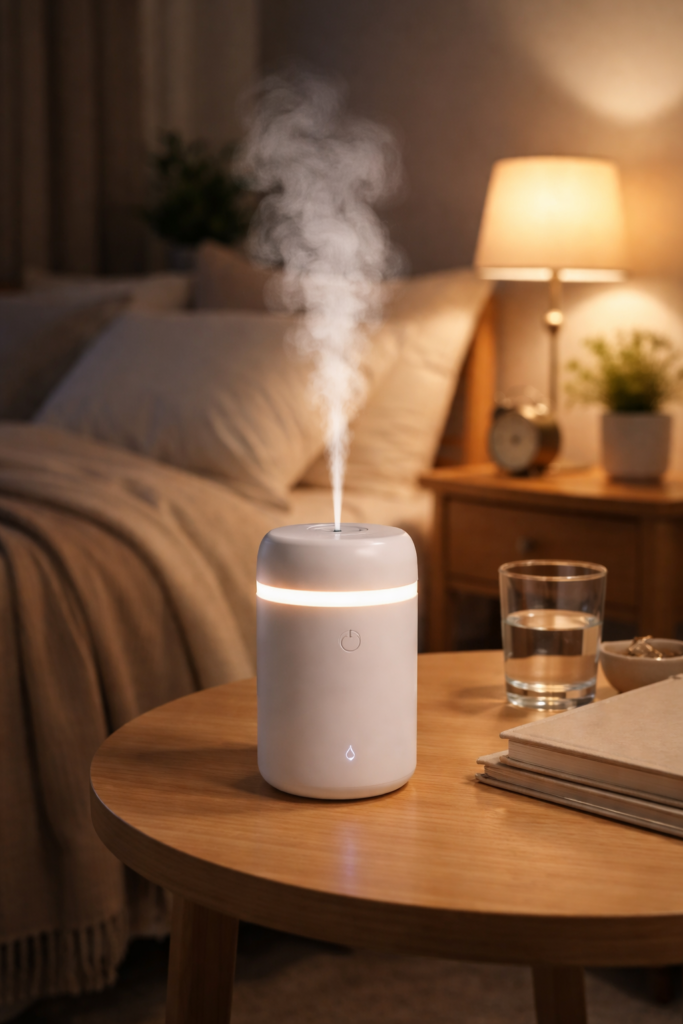
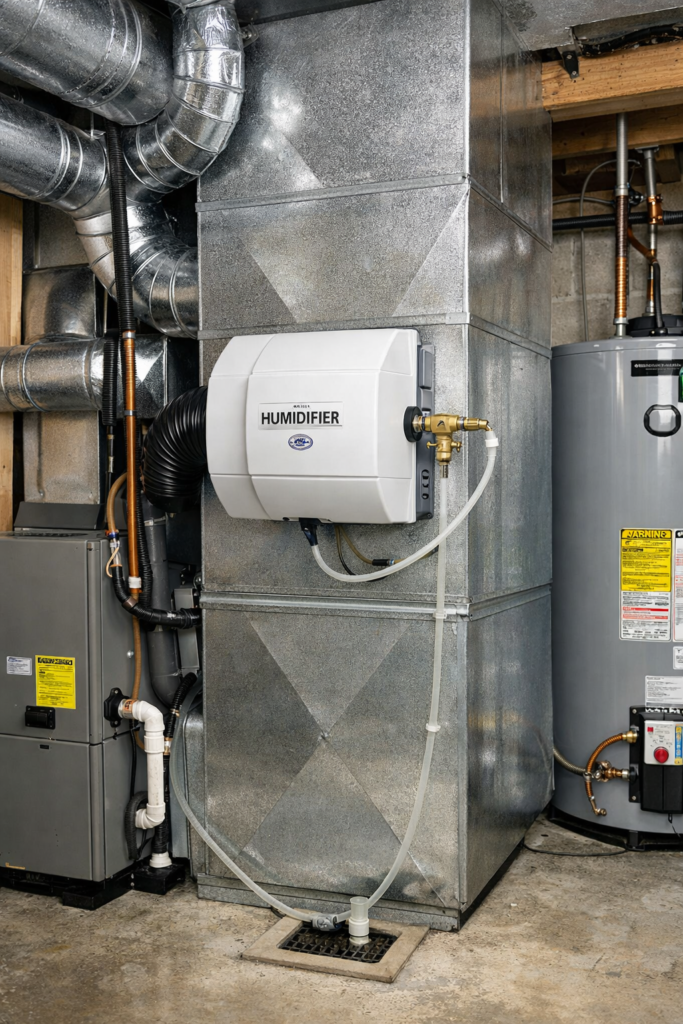
| Humidifier type | Best fit | Watch out for |
|---|---|---|
| Small portable humidifier | Bedroom, office, nursery, or small room | Limited coverage and frequent refills |
| Large portable humidifier | Open living area, apartment, or larger dry zone | Coverage claims may not match divided layouts |
| Multiple portable humidifiers | Several separate dry rooms | More cleaning and filling |
| Whole-house humidifier | Most rooms are dry and the home has forced-air heat | Installation, control settings, and condensation risk |
For the larger comparison, use portable vs whole-house humidifier. For sizing, use what size humidifier do I need for my home?
Common humidifier problems to avoid
Most humidifier problems come from poor maintenance, hard water, overuse, or using a unit that does not match the space.
Maintenance matters: A humidifier adds water to the air. Keep the tank and parts clean, follow the manufacturer’s maintenance instructions, and do not keep running a unit that smells bad, leaks, or leaves residue.
- Mineral dust from some cool-mist units, especially with hard water
- Dirty tanks or neglected filters
- Over-humidification and window condensation
- Small tanks that require constant refilling
- Spills around furniture, floors, or electronics
- Units placed too close to walls, bedding, wood, or cold surfaces
If maintenance feels like a burden, that is part of the buying decision. A humidifier you will not clean is usually the wrong solution.
Product paths if you are ready to check equipment
Use the product path that matches your stage. If you have not measured yet, start with a humidity meter. If low humidity is confirmed, choose the humidifier type based on the actual dry space.
Disclosure: This page may include affiliate links. If you buy through those links, HumidityAtHome may earn a small commission at no extra cost to you.
Product path: confirm low humidity first
Use this before buying a humidifier if you do not know the actual RH in the rooms that feel dry. Look for a clear RH display, temperature display, compact size, and high/low memory if available.
Product path: portable room humidifiers
Use this when one bedroom, office, nursery, or small living area is dry. Match the unit to the actual room or connected zone, not the whole house.
Product path: larger humidifiers for open areas
Use this when the dry area is an open living room, apartment, or larger connected zone. Look at tank size, coverage, runtime, cleaning access, and humidity control.
Product path: whole-house humidifier comparison
Use this when most rooms are dry and the home has forced-air heat. Review installation requirements, control method, water supply, maintenance, and condensation risk before choosing this path.
When a Humidifier Helps—and When to Measure First
You may need a humidifier if the home repeatedly measures low for indoor humidity and dry-air clues show up in the same rooms over time.
Measure first. If the home is already in a reasonable humidity range, adding moisture may not help. If windows already sweat, adding moisture can make the problem worse.
Start with the room or area that actually feels dry. Use a portable humidifier for one room or defined zone. Compare whole-house humidification only when most of the home is dry and the HVAC system is a good fit.
Next step: Start with how to measure humidity in your home. If low humidity is confirmed, choose the right capacity with what size humidifier you need for your home.